DERConnect Microgrid Research
UCSD DERConnect Research Assistant · Jun – Aug 2025 · 2025
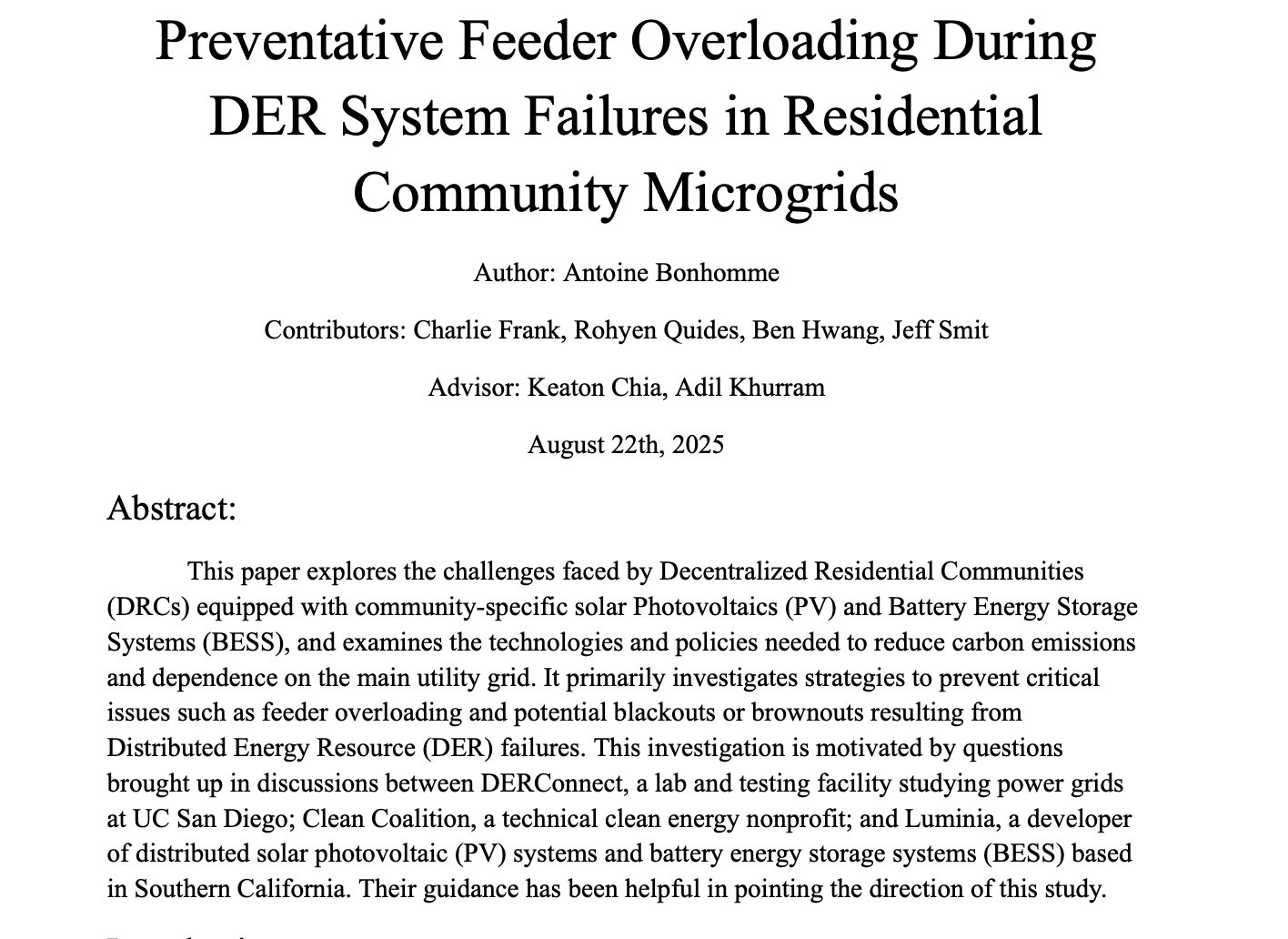
Authored a microgrid-modeling paper — Preventative Feeder Overloading During DER System Failures in Residential Community Microgrids — using real-time hardware-in-the-loop simulation to keep neighborhood power grids from overloading when their solar and battery equipment suddenly fails. Published with Clean Coalition, a nonprofit energy organization.
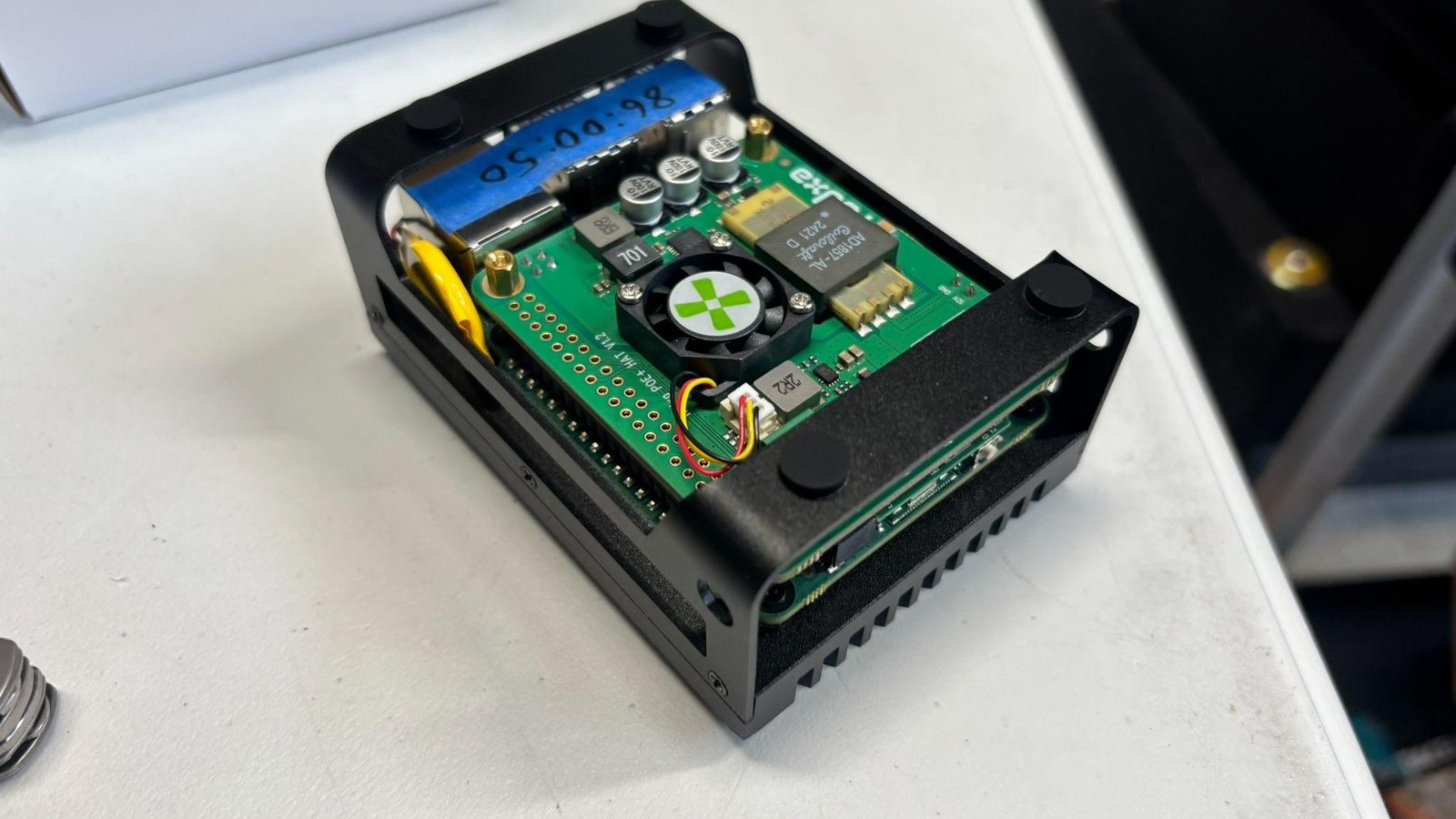
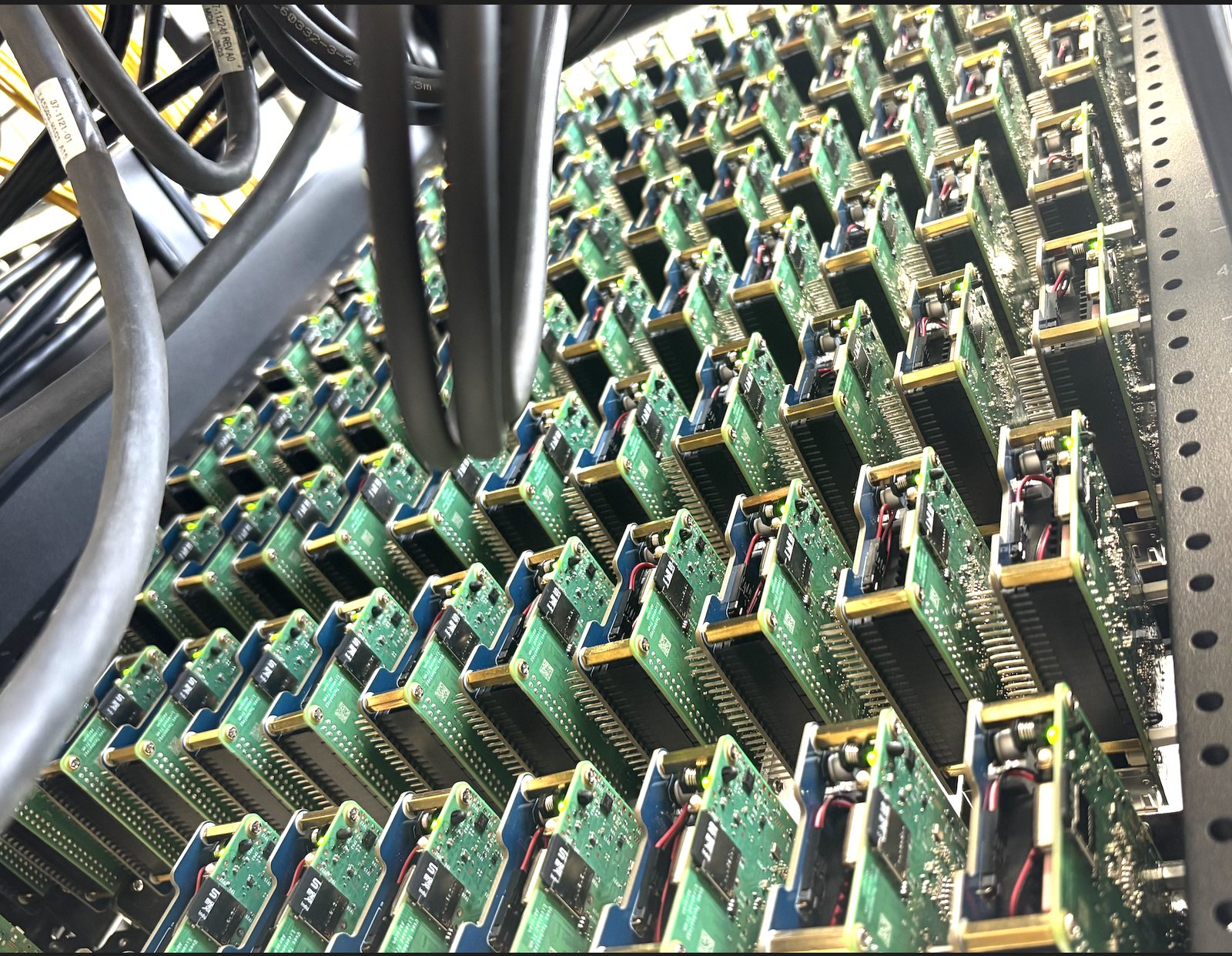
Also built out the DERConnect server room from scratch: 30+ compute nodes installed and configured, with custom laser-cut mounts and rack components for non-standard equipment.
Staged Load Shedding
The control strategy steps power use down in stages during an emergency. Stage I, adaptive prioritization: shed discretionary Tier-3 loads (EV charging, pool pumps, non-critical lighting), about 75% of demand, to stay under the feeder limit. Stage II, critical isolation: island the microgrid to serve only Tier-1 critical loads (~10% of normal demand). Stage III, emergency disconnect: trip all breakers so no surge reaches the feeder. Smart panels at each home execute the shedding autonomously, and 40 A emergency outlets stay powered through Stages II and III.
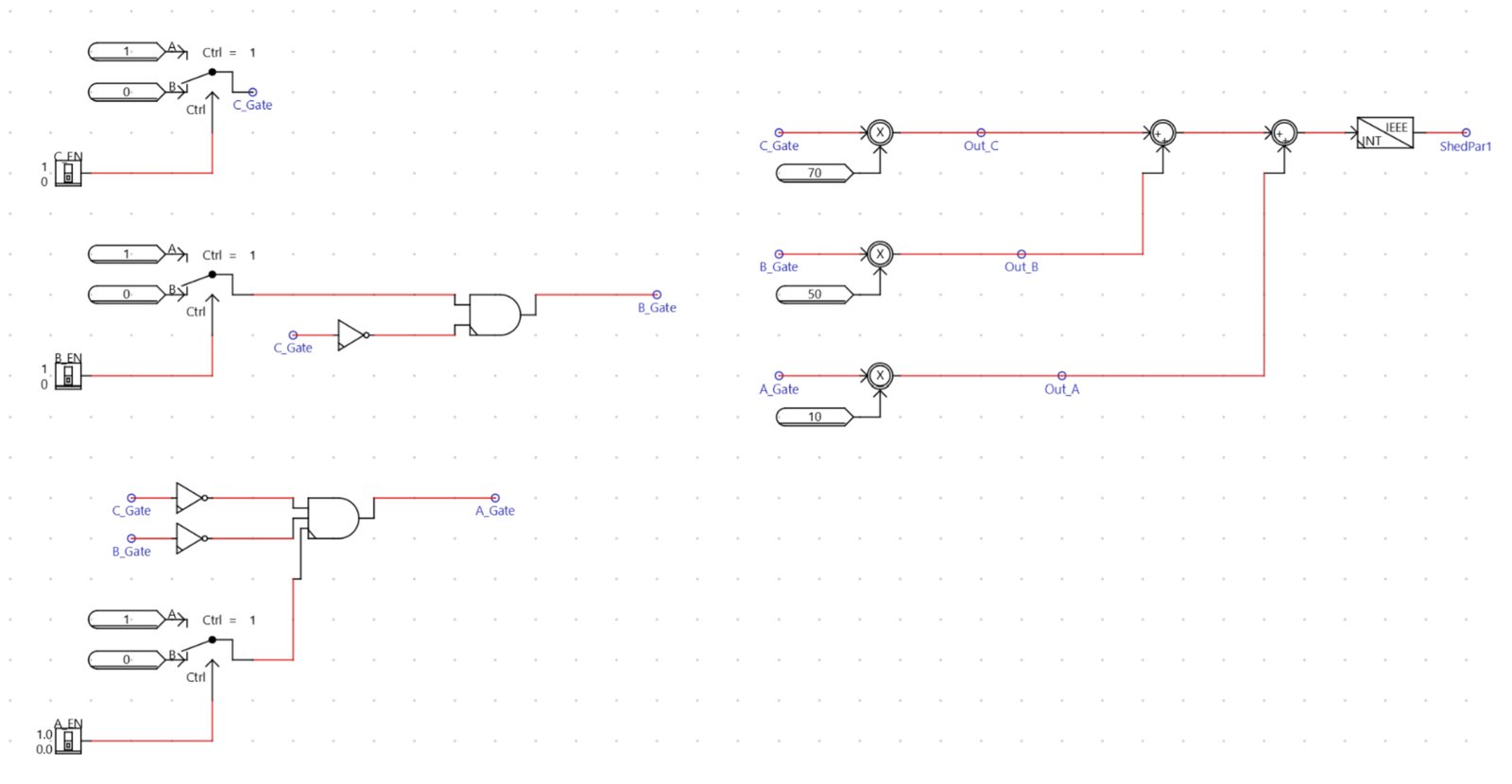
Because RSCAD only allows one output per variable, the stage selector is built from three switches with AND/NOT logic so only one can win at a time; the winner is multiplied by its shedding percentage to produce a single 0 / 10 / 50 / 70% signal fed to every home load block.
Modeling, BESS Optimization & Testing
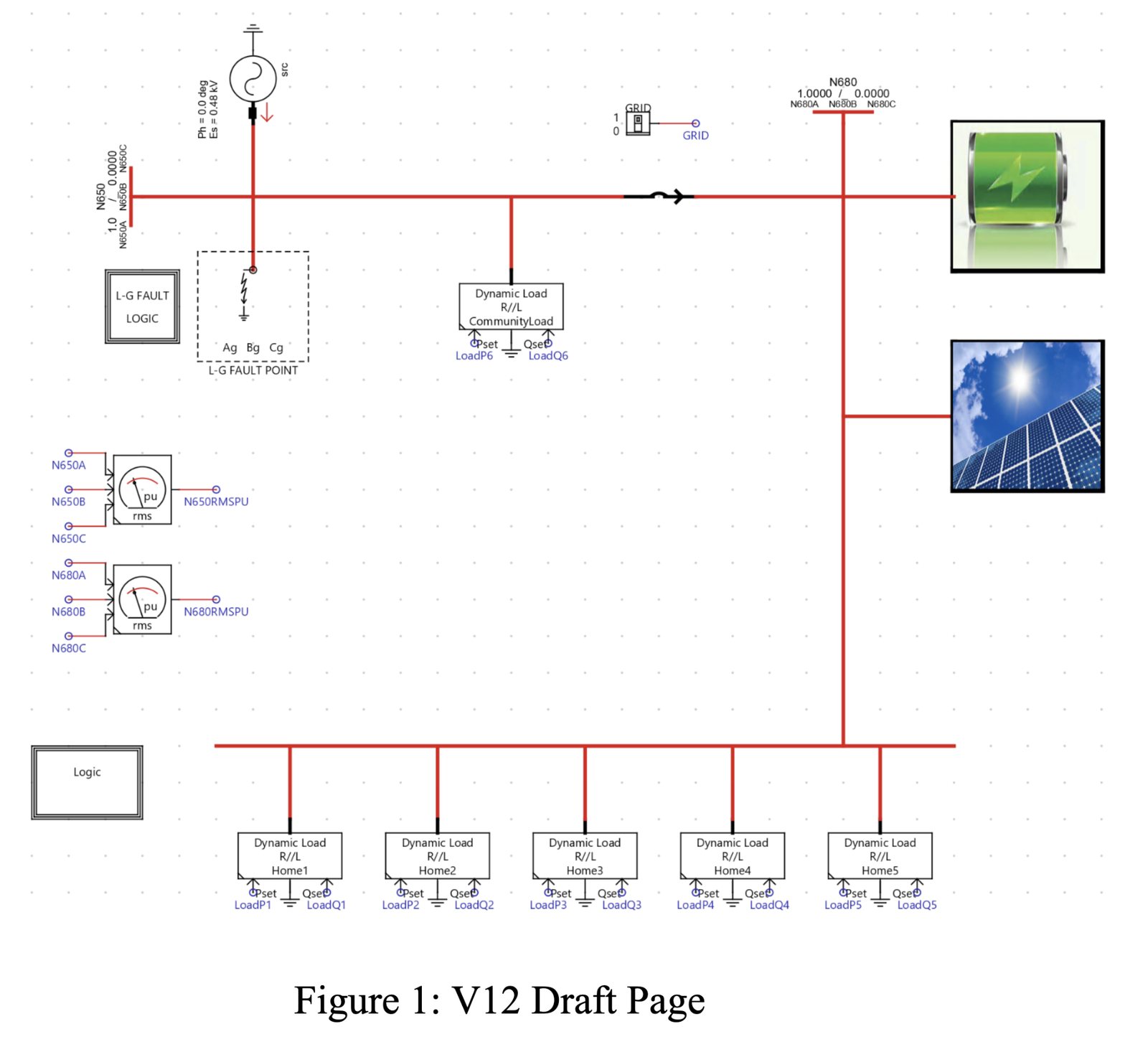
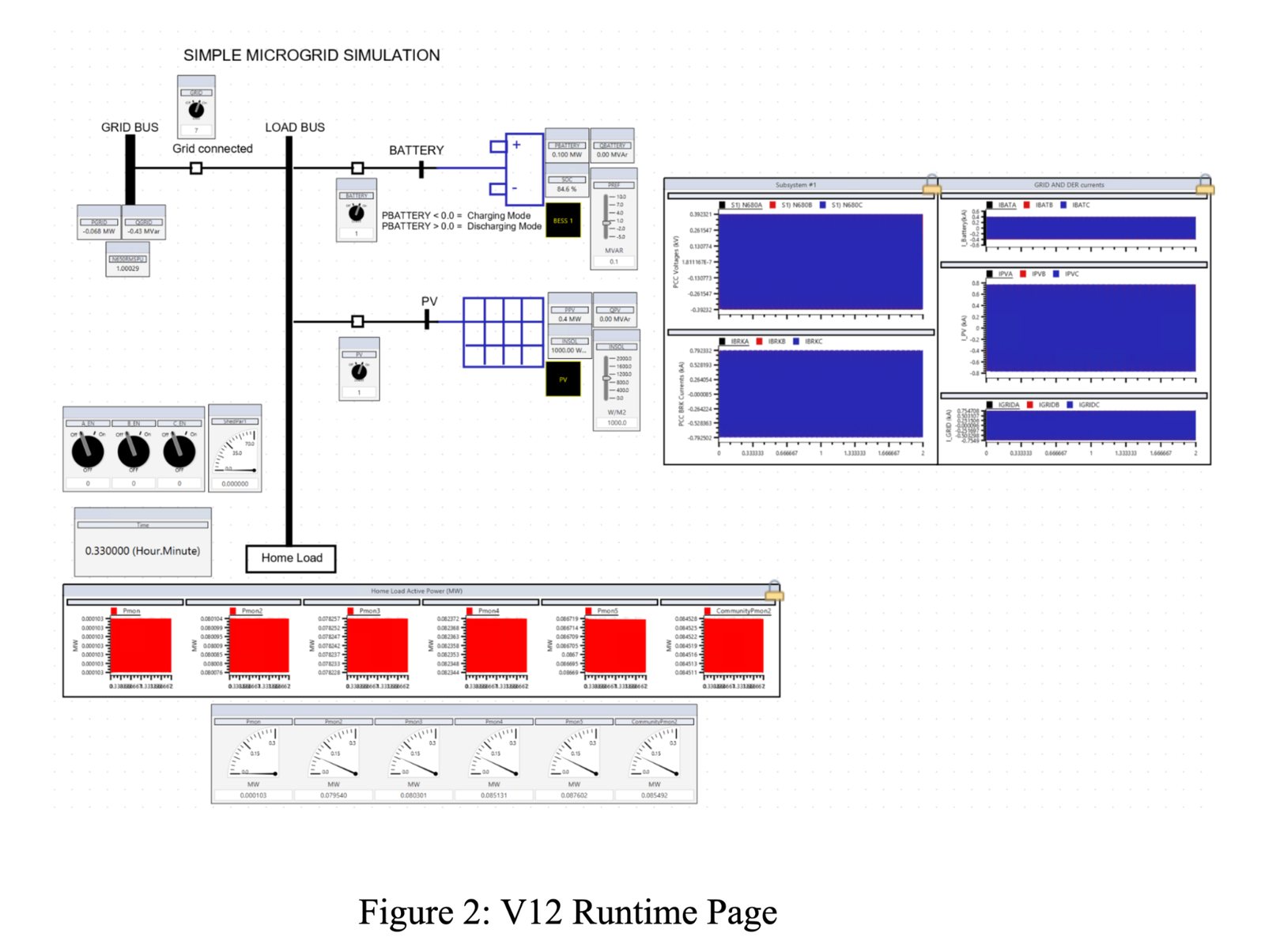
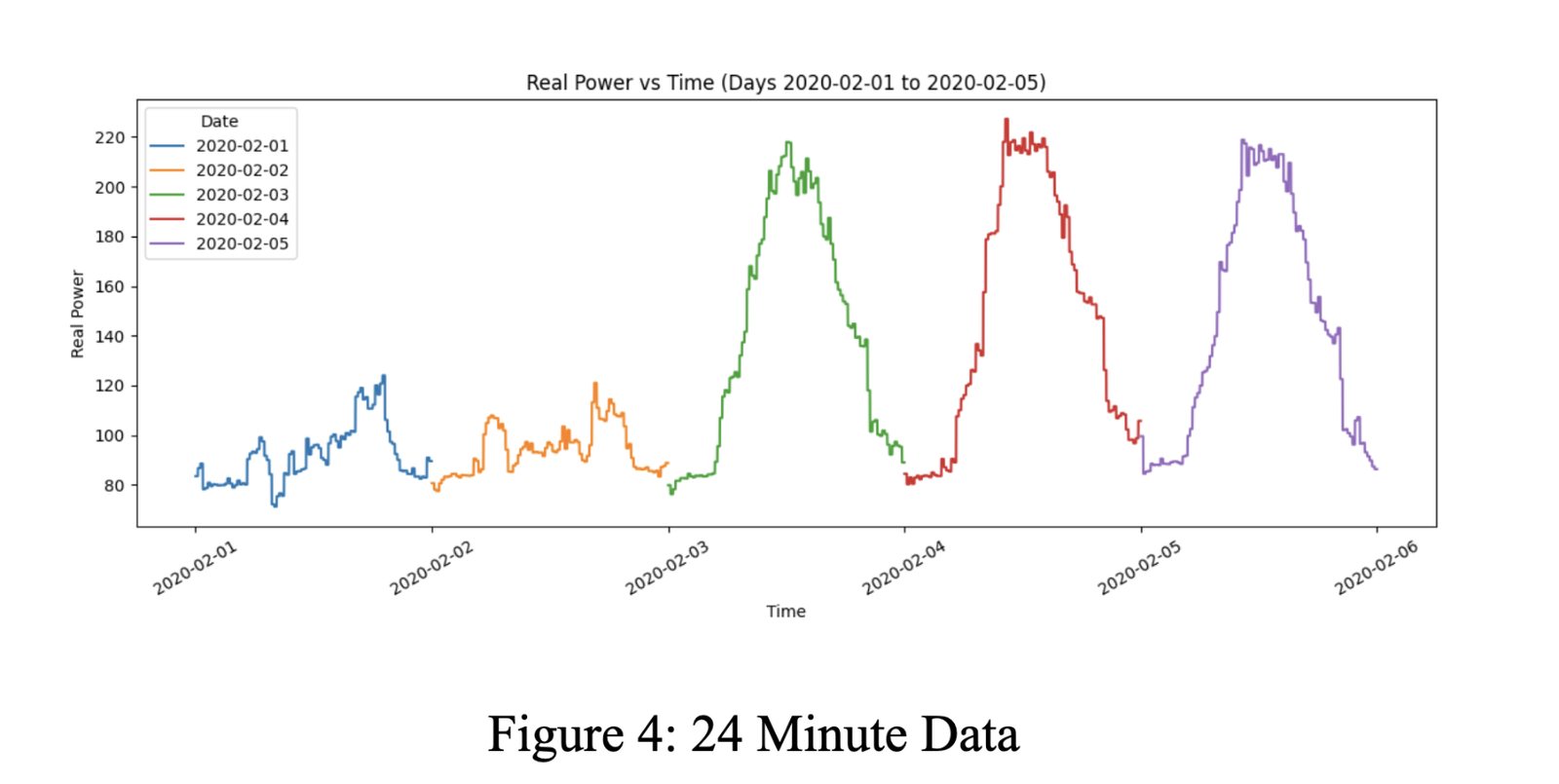
Modeled the DOE Connected Community (Menifee, CA) in UC San Diego's Real-Time Digital Simulator using real 15-minute load profiles from campus buildings, compressing 24 hours into a 24-minute run with a Python downsampling script. Built a Python + CVX optimizer that schedules the 2 MW Li-ion battery's charge and discharge against variable pricing to cut cost and peak demand, with battery-health and spike penalties, linked it to the RTDS over Modbus, and validated it against disaster scenarios — BESS failure, PV failure, full grid loss — at peak-demand noon conditions.
Building the Server Room
Installed and configured 30+ compute nodes for real-time grid simulation, designed and laser-cut custom mounting hardware for non-standard equipment, and handled the physical installation end-to-end — mounting, power and network cabling, and rack organization for airflow and serviceability — so the layout supports the lab's RTDS and hardware-in-the-loop workflows.