Decentralized Microgrid PCB
UCSD DERConnect Outreach Intern · Nov 2024 – May 2025 · 2025
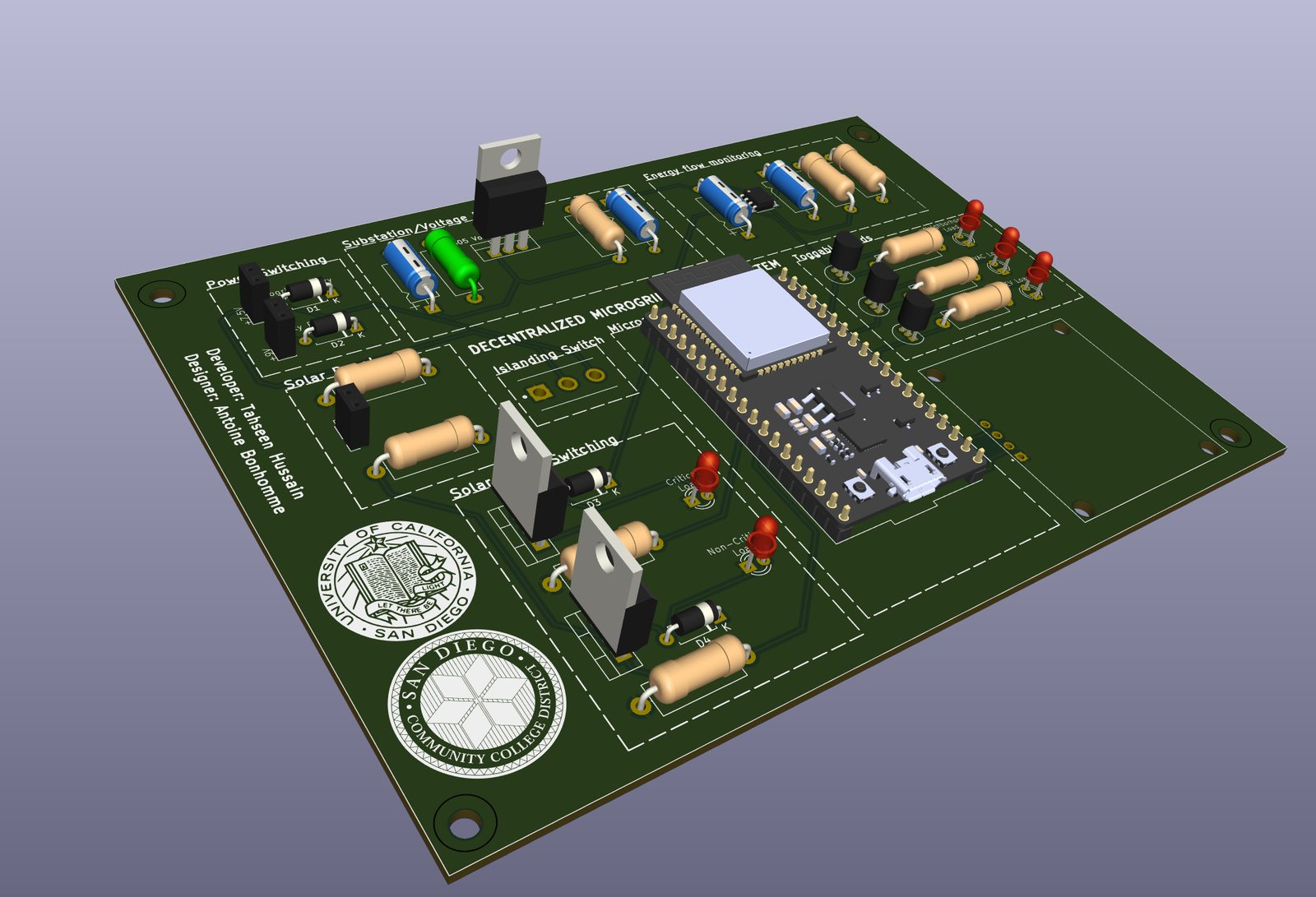
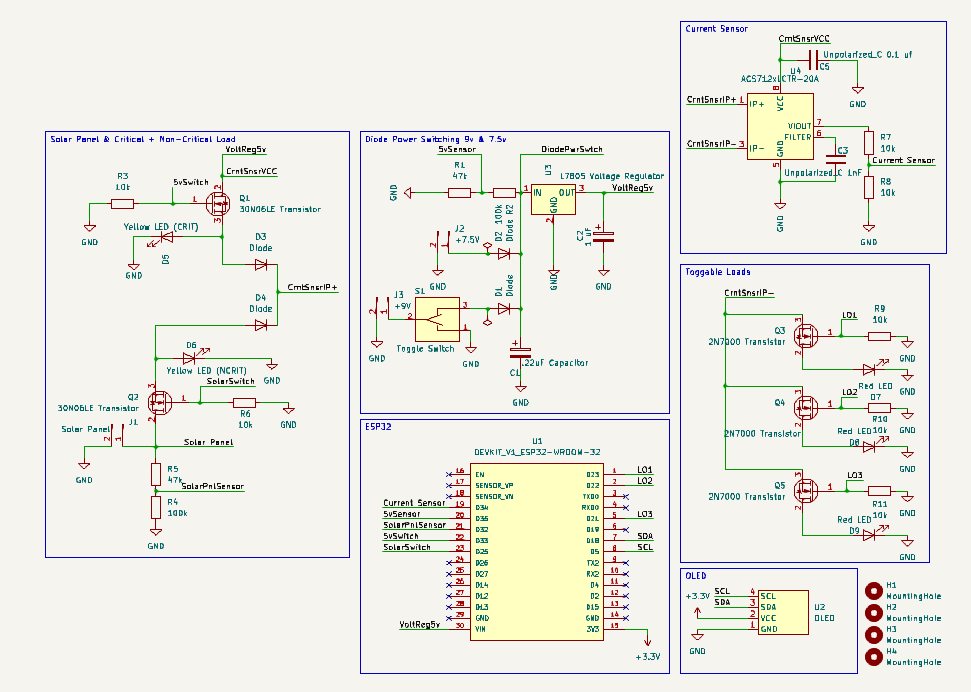
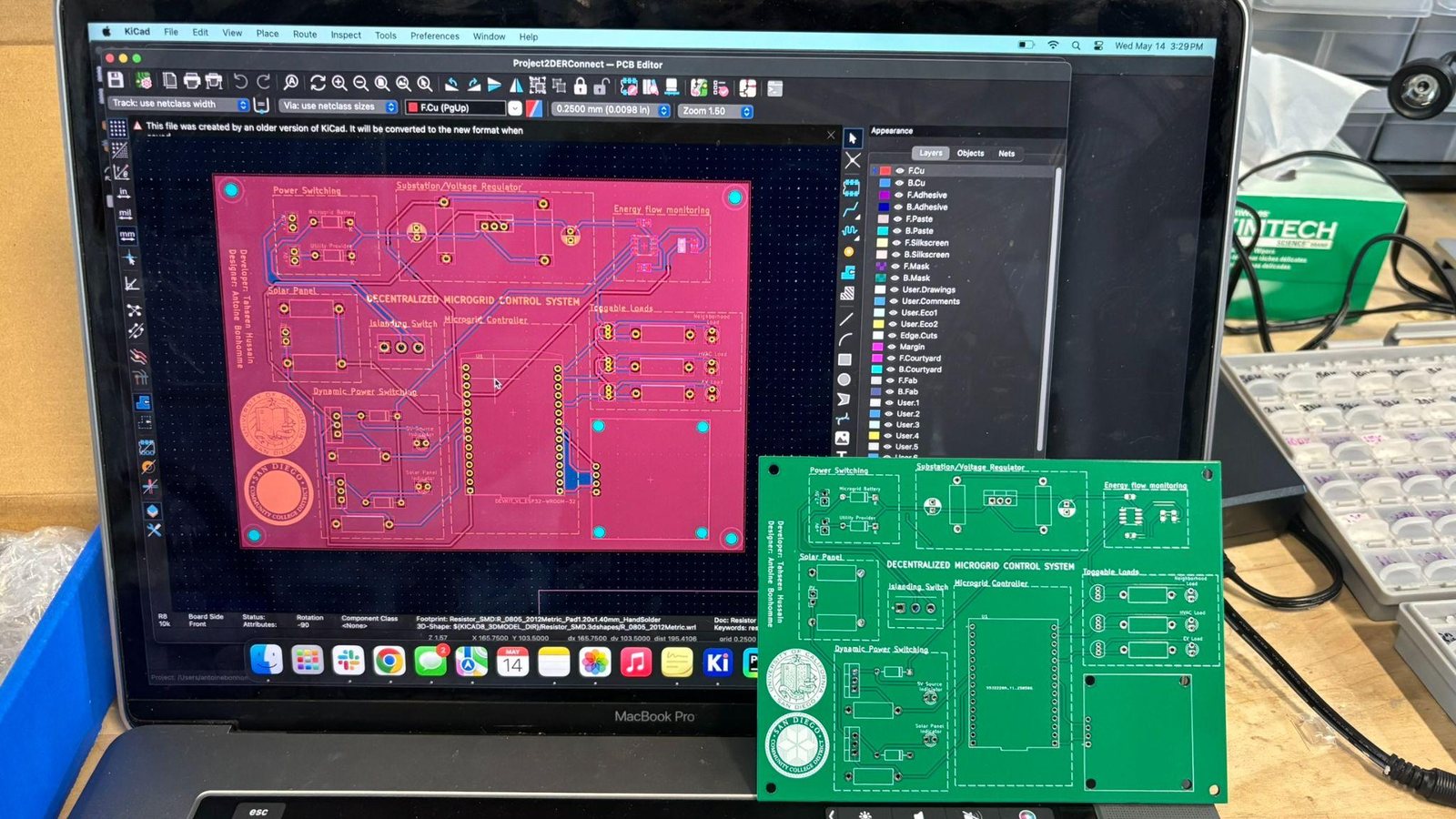
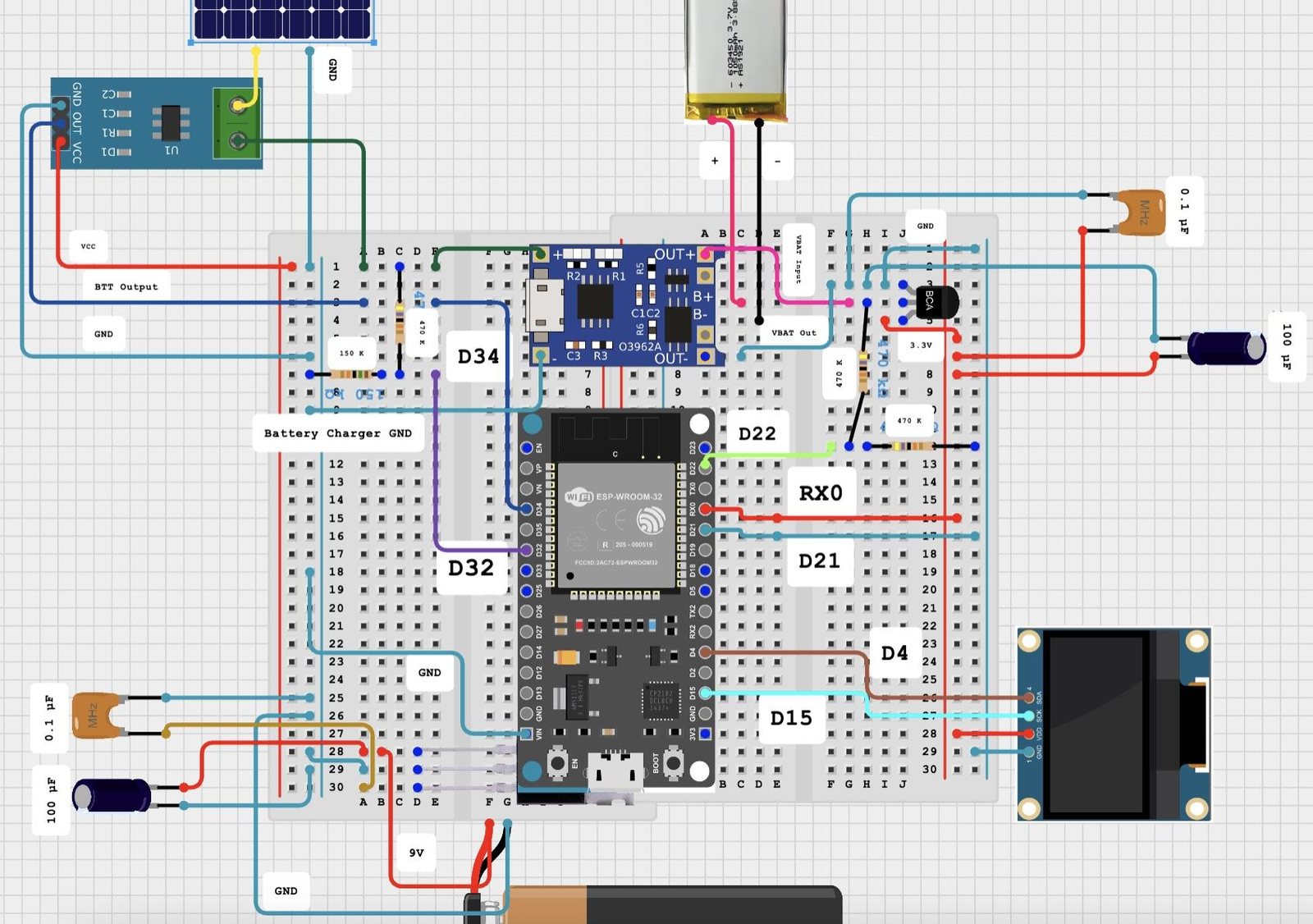
Designed a fully custom ESP32-based controller board for a decentralized residential microgrid with three power sources — solar, battery and utility grid — and islanding capability to disconnect and run autonomously during outages. Real-time energy-flow monitoring through a Hall-effect current sensor with an OLED for live status, smart load management that prioritizes critical loads and sheds non-critical ones, three independently switched consumer loads (Neighborhood, HVAC, EV) via MOSFETs, on-board 5 V regulation and diode-based power routing, all designed and 3D-rendered in KiCad.
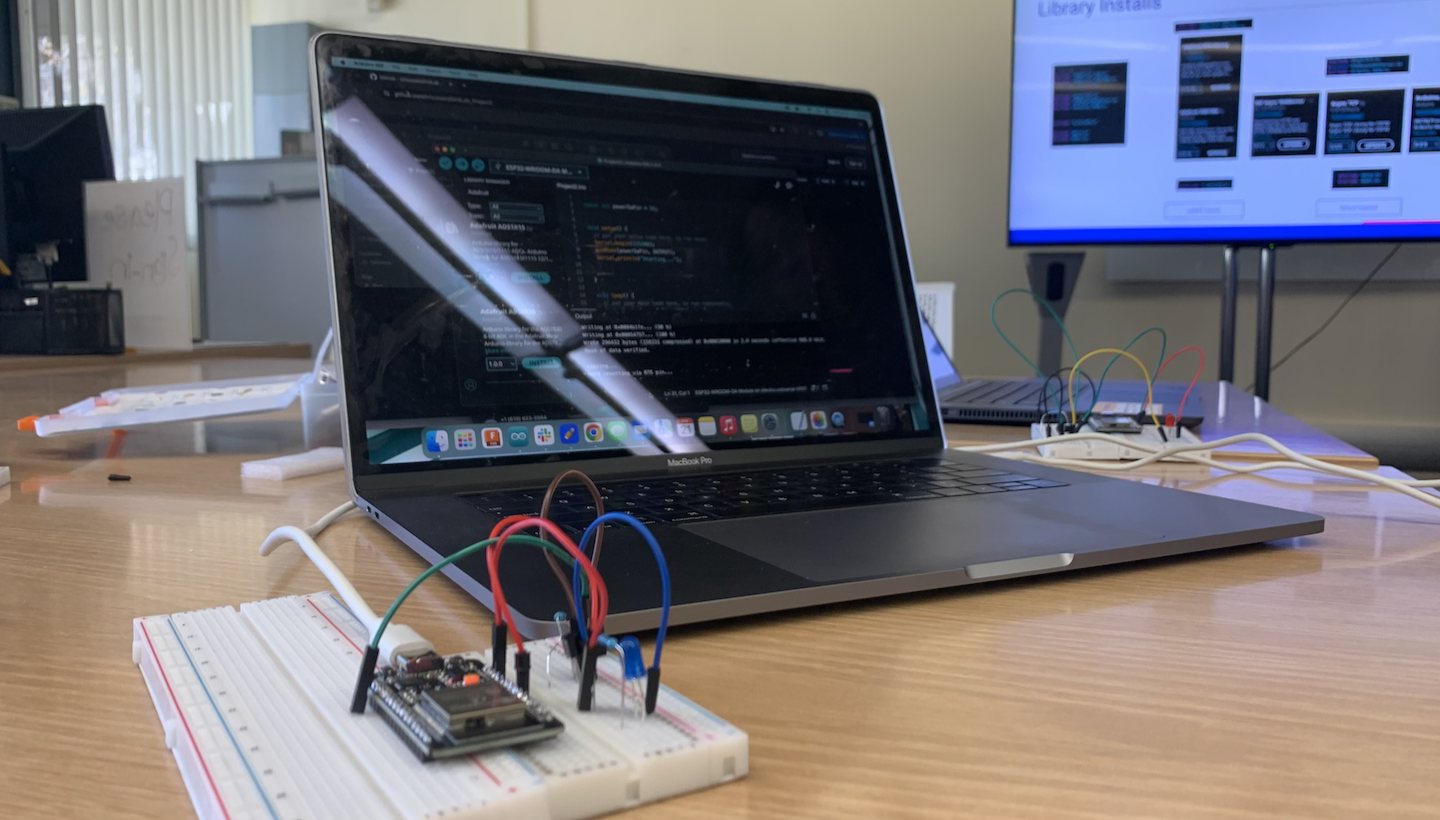
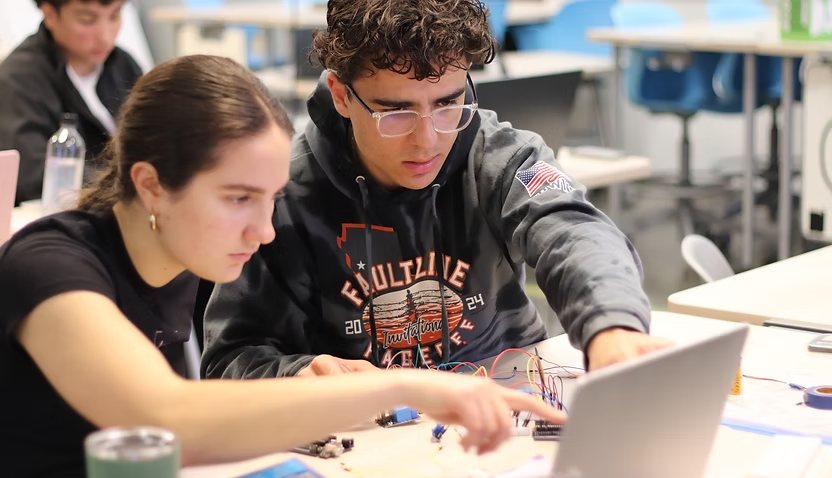
Along the way I built the microgrid up in stages with Arduino and ESP32 prototypes, gave a 30-minute technical talk on Distributed Energy Resources, and presented the demos in workshops for UCSD and Mesa College faculty.
Final PCB
Project 3 — Load Prioritization Controller
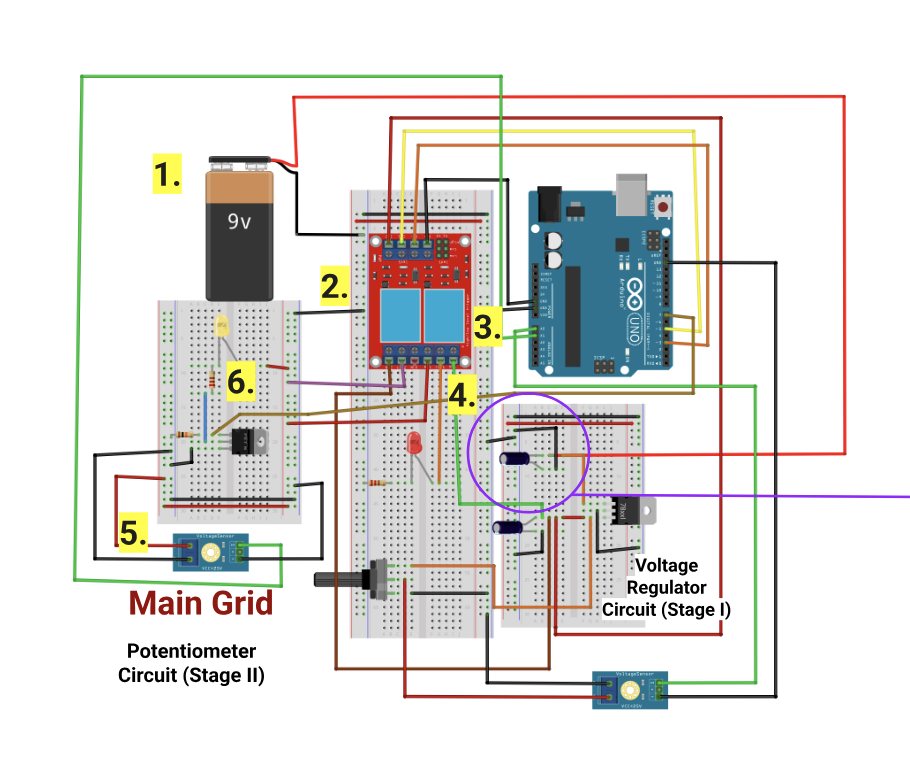
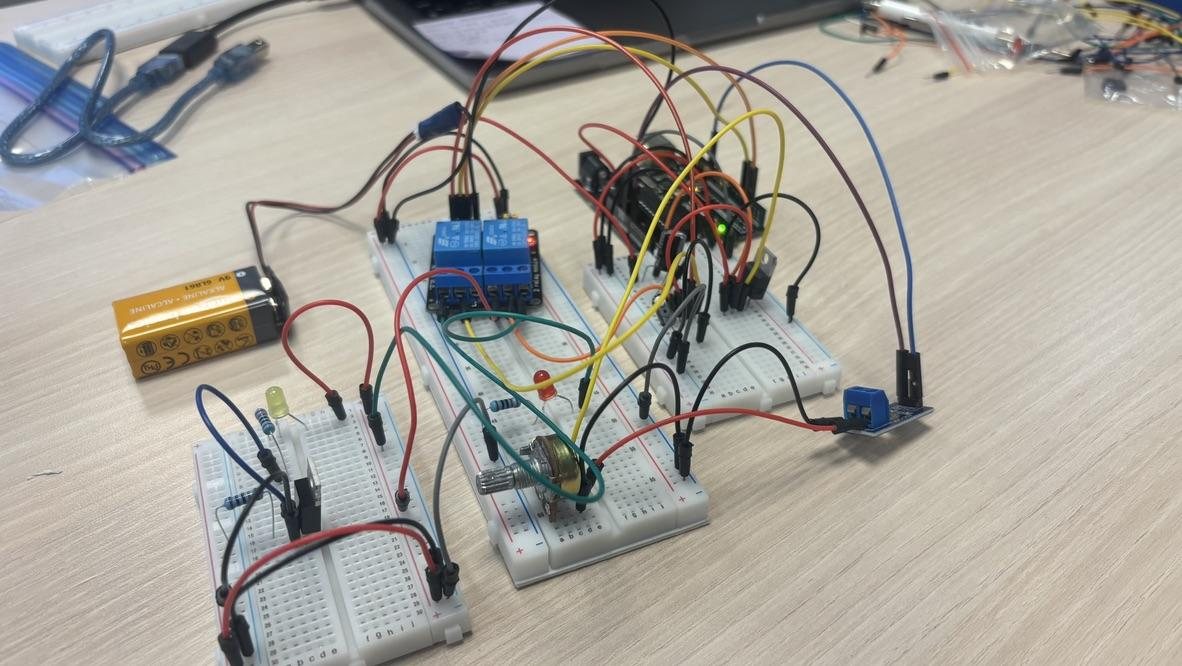
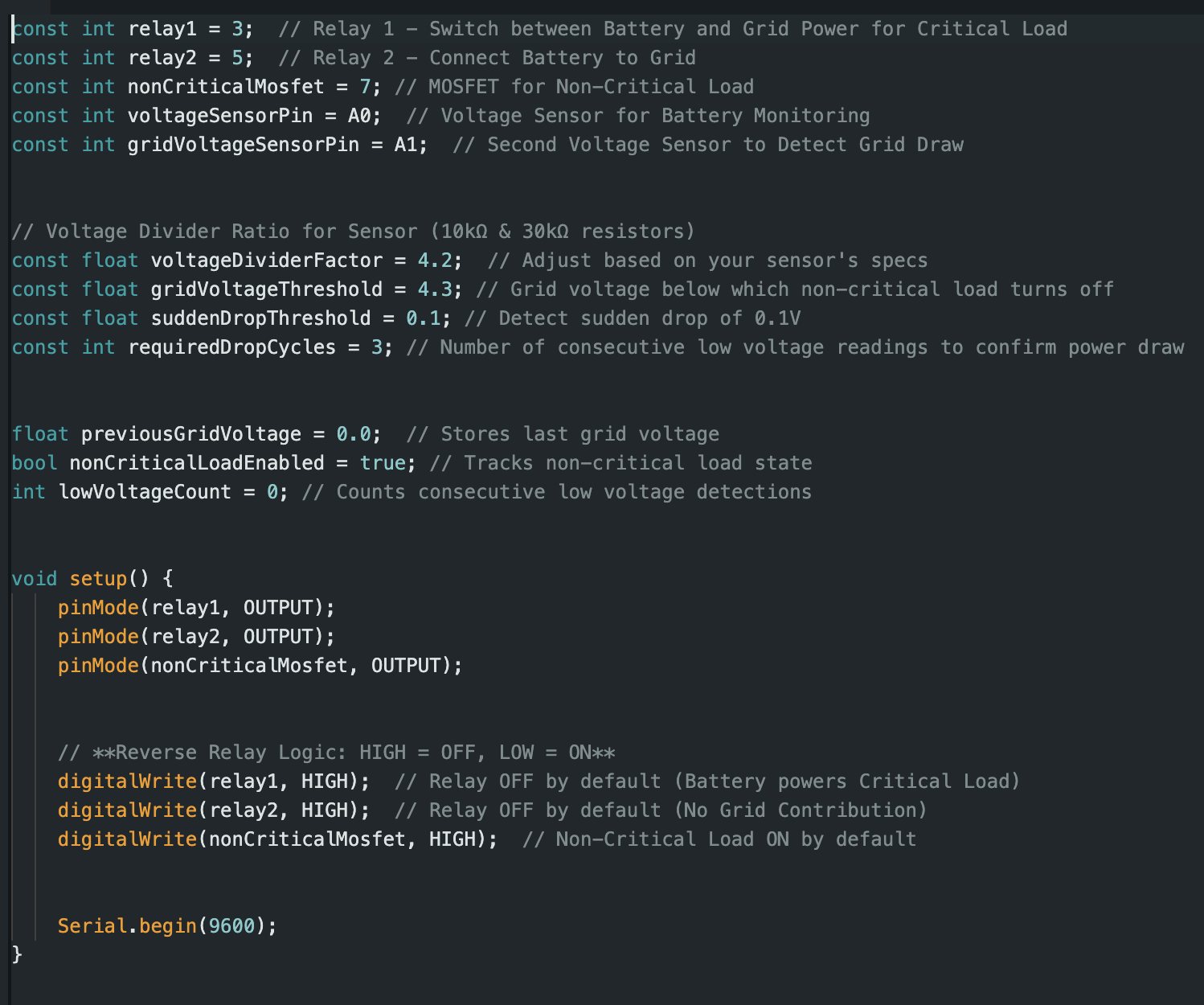
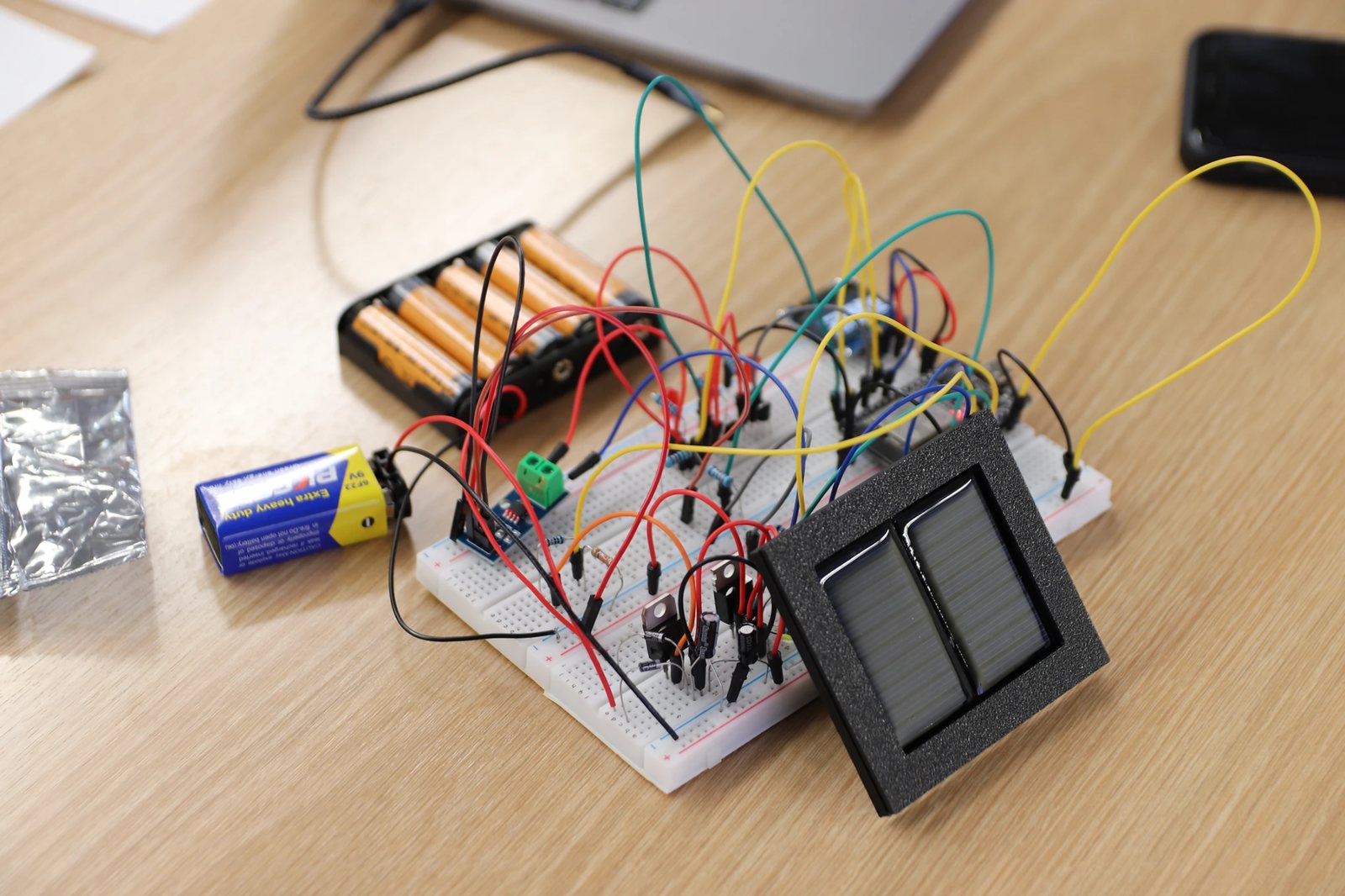
Automatic power switching between battery and grid based on voltage: above 4 V the battery powers the critical load and contributes excess to the grid; between 2–4 V it powers the critical load only; at or below 2 V the grid takes over. Two relays route the critical load and battery-to-grid contribution, a MOSFET controls the non-critical load, and two voltage sensors monitor battery and grid. Grid instability turns the non-critical load off, with a 3-cycle debounce to avoid false triggers and fail-safe reverse relay logic.
Projects 1 & 2 — Solar Charging and Power Monitoring
Project 1: a solar-powered battery charging system managed by an ESP32 with real-time voltage tracking and wireless control and logging through a web interface. Project 2: measuring AC current with an ACS712 sensor on the ESP32's 12-bit ADC, converting peak-to-peak voltage to RMS current and computing power.
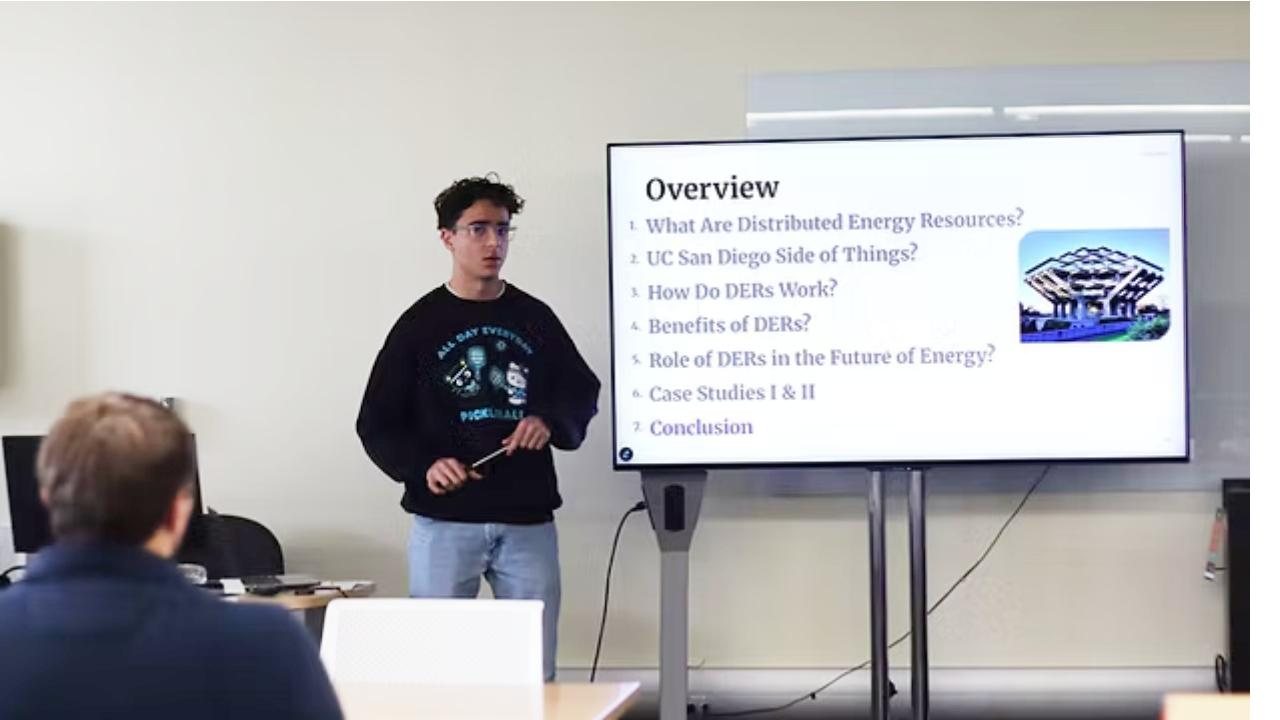
Technical Talk — What Are DERs?
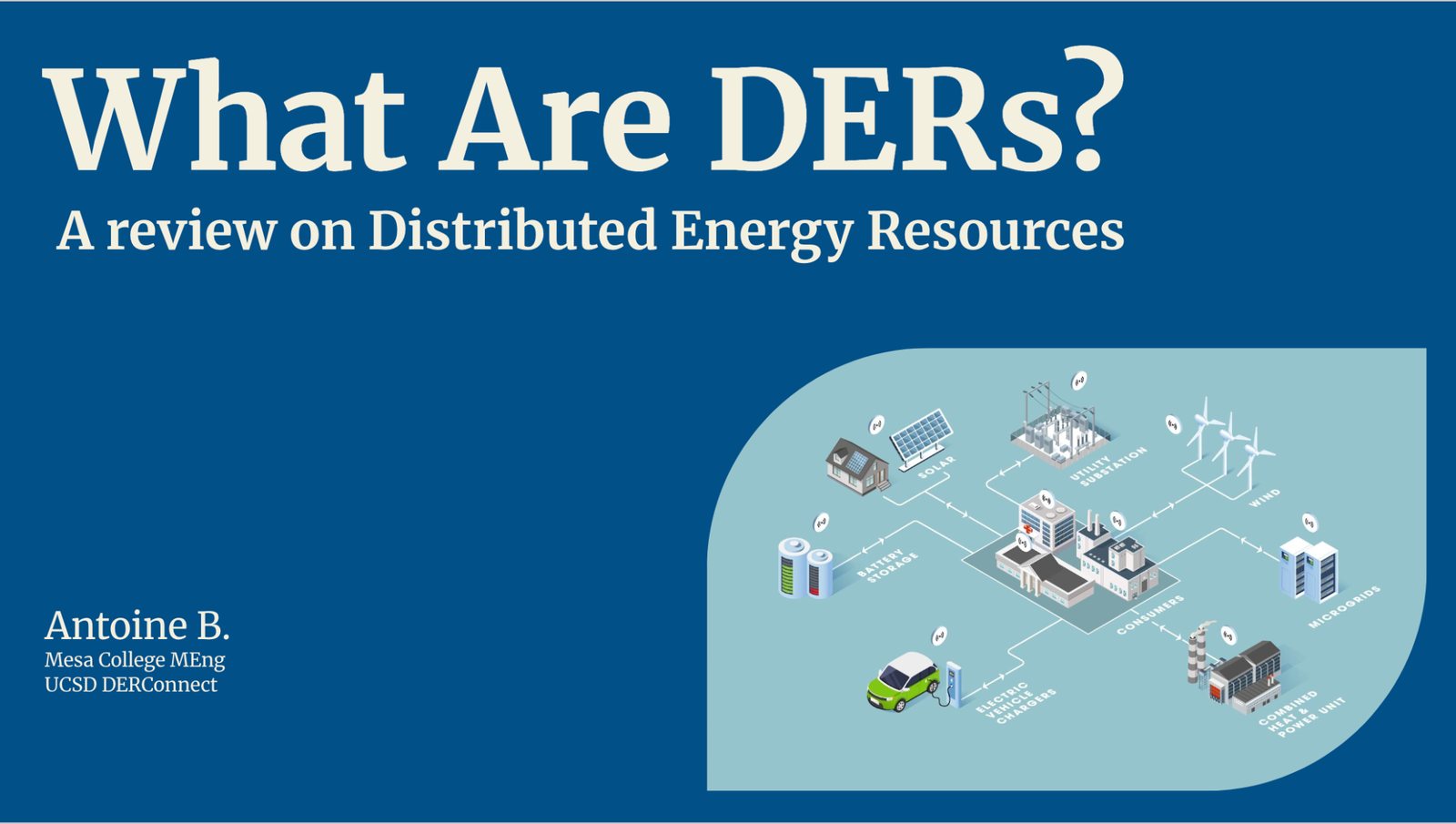
A 30-minute presentation on Distributed Energy Resources and their role in grid resilience and efficiency, covering generation, storage and management, UC San Diego's campus-as-microgrid, and a Mesa College case study.
Smart House IoT
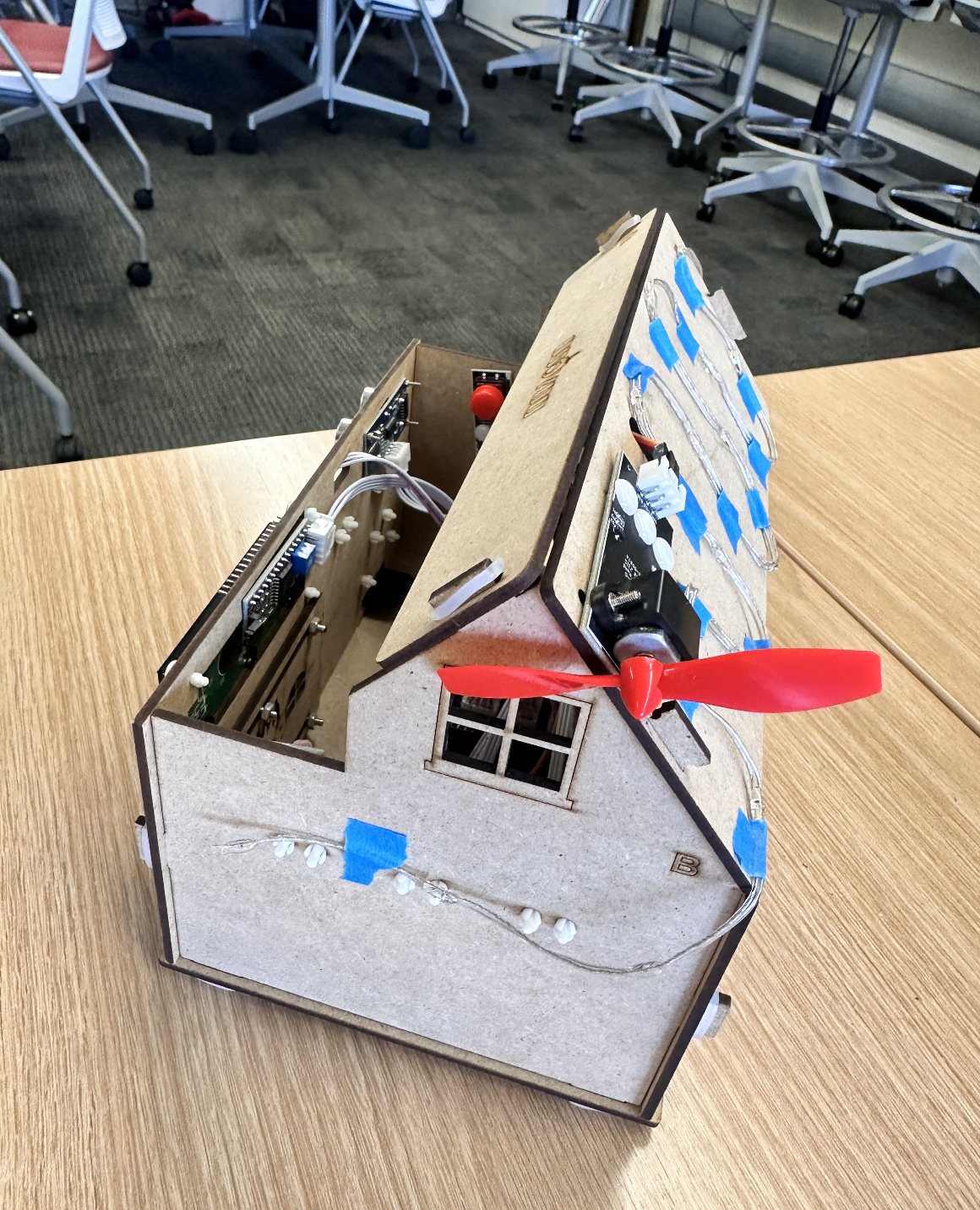
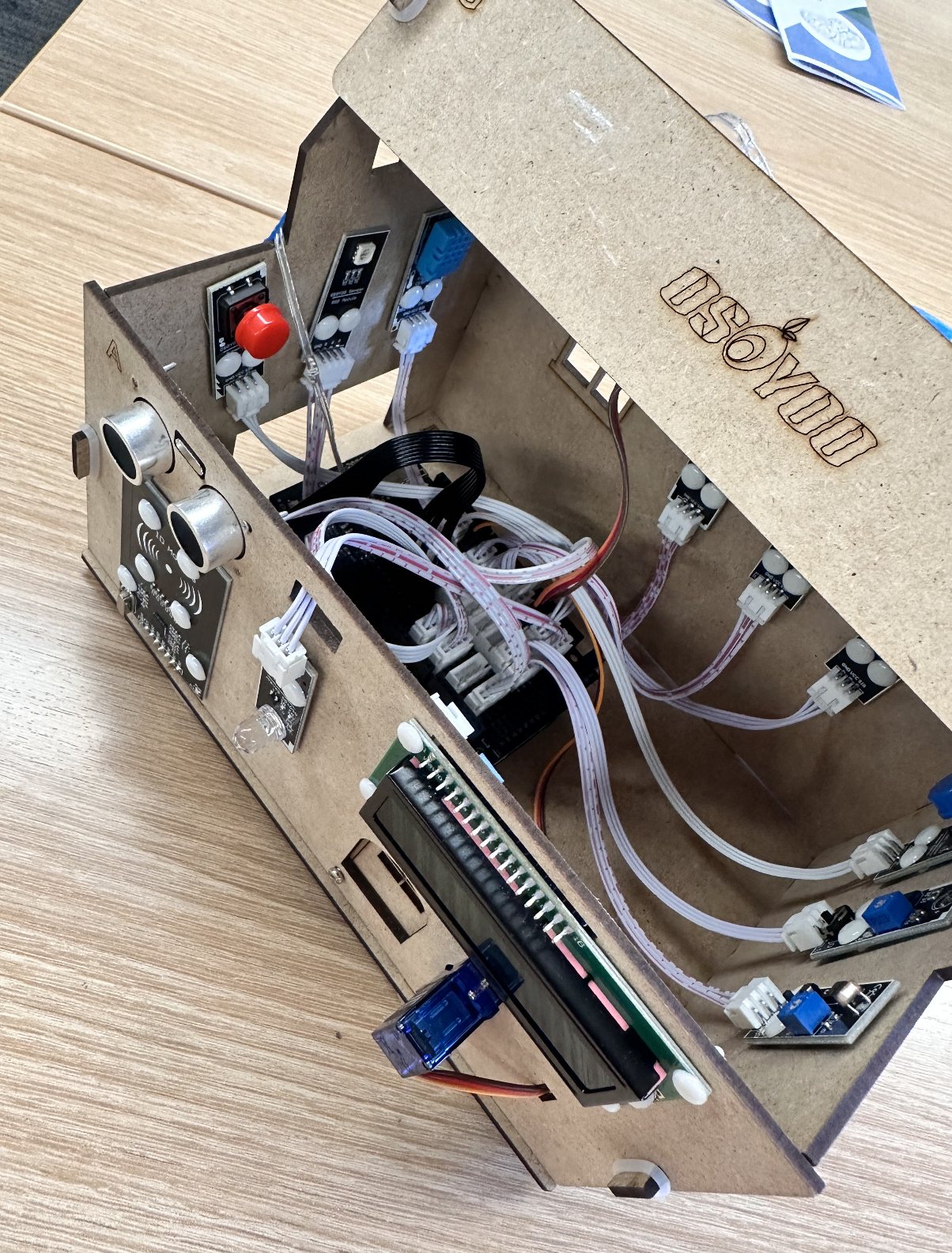
An Osoyoo Smart House kit built on Arduino — LEDs, motor, LCD, temperature/humidity and ultrasonic sensors, an RFID door lock — with WiFi added so the house can be controlled remotely from a phone.